
LAB WORKSPACE
LABORATORIES & WORKSHOPS
Practical Learning. Real Skills. Professional Confidence.
At Banadir Training Institute (BTI), our laboratories and workshops provide practical learning environments where students apply theoretical knowledge, develop technical competencies, and gain hands-on experience relevant to their chosen careers.
Through instructor-guided demonstrations, practical exercises, equipment handling, and technical projects, students develop the skills and confidence needed to work safely and effectively in professional environments.
Office Phone
+252614948787
Electrical & Solar Energy Laboratory
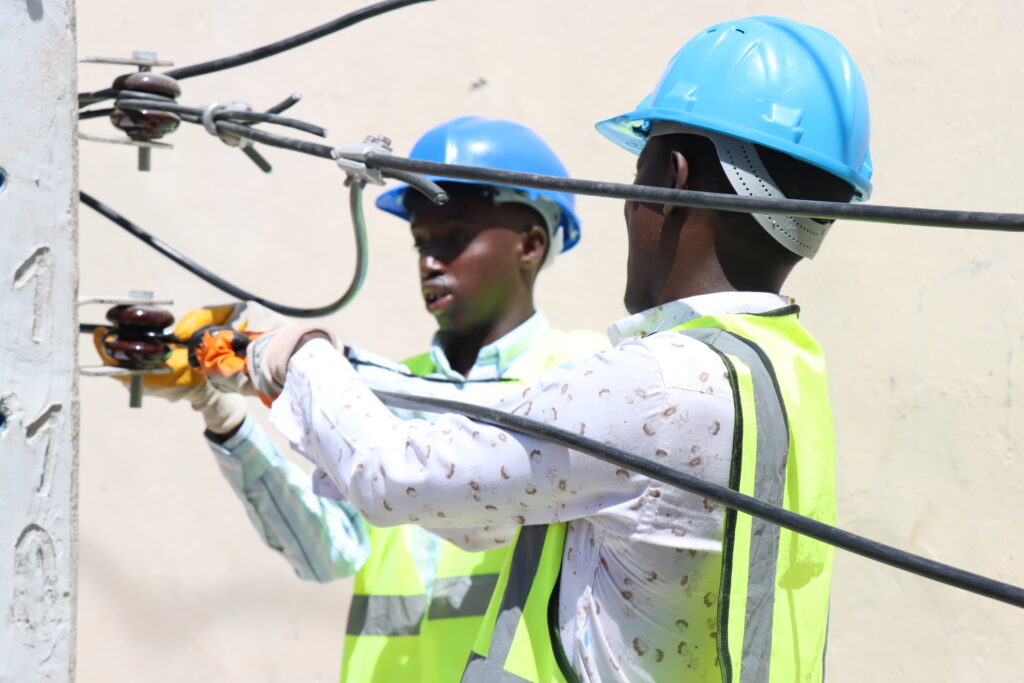
The Electrical & Solar Energy Laboratory supports practical training in basic electricity, electrical installation, electrical systems, and renewable energy technologies.
Students develop practical experience in electrical wiring, circuit assembly, electrical testing, fault identification, troubleshooting, and solar photovoltaic system installation.
Practical Training Areas

Basic electrical principles and circuit connections

Electrical wiring and installation

Electrical testing and fault diagnosis

Solar photovoltaic systems

Solar panel and system component installation

Electrical safety and safe equipment handling

Maintenance and troubleshooting
Plumbing Workshop
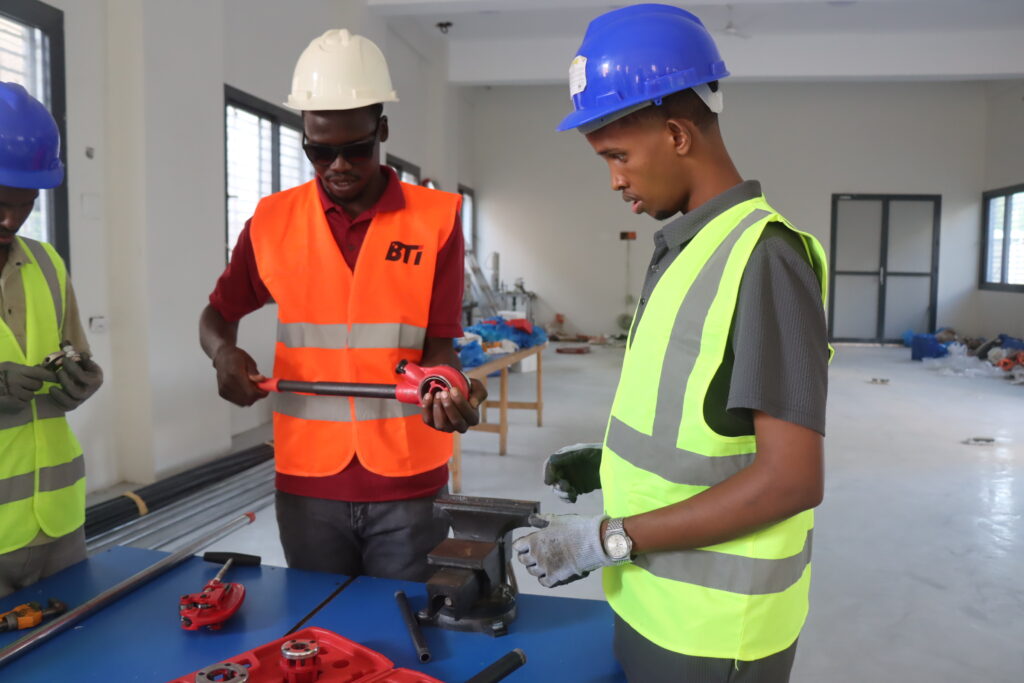
The Plumbing Workshop provides a practical environment for learning plumbing installation, water supply systems, drainage, sanitation, and building services.
Students practice using plumbing tools, connecting pipes and fittings, assembling plumbing systems, and identifying common installation and maintenance problems.
Practical Training Areas

Pipe measurement, cutting, and joining

Water supply and distribution systems

Drainage and sanitation systems

Pipe fittings and connections

Plumbing fixtures and installations

Leak detection and basic repairs

Plumbing tools, materials, and safety procedures
Mechanical Workshop
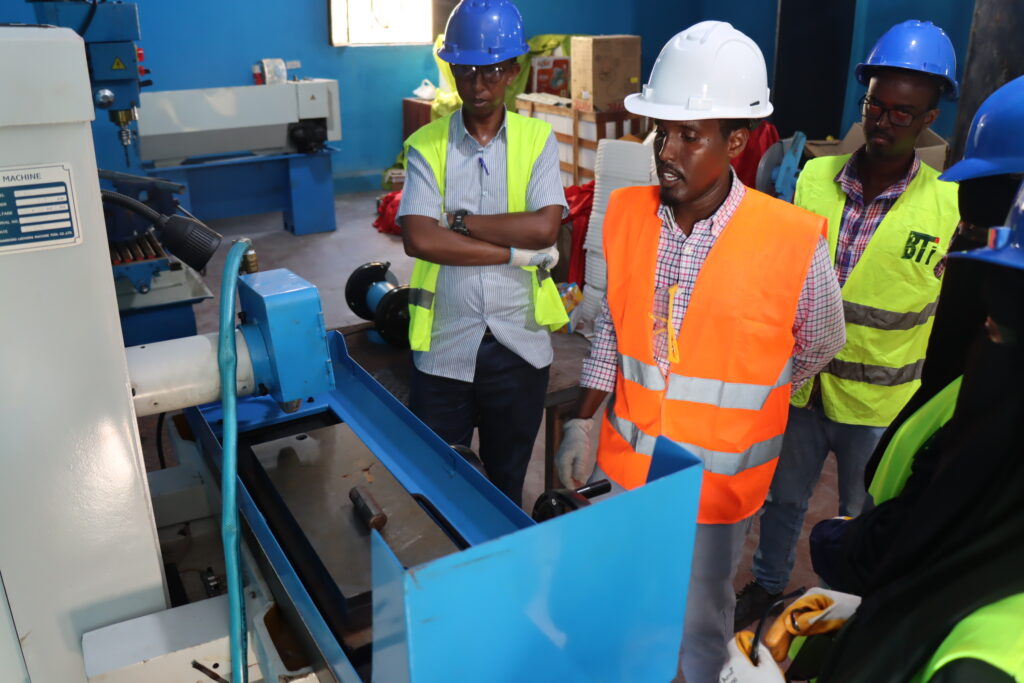
The Mechanical Workshop supports hands-on learning in mechanical tools, equipment, maintenance, workshop practices, and basic fabrication.
Students gain experience in identifying tools and components, performing practical exercises, following safety procedures, and understanding basic mechanical operations.
Practical Training Areas

Mechanical tools and equipment identification

Workshop practices and occupational safety

Basic mechanical maintenance

Component assembly and disassembly

Measurement and use of workshop tools

Basic fabrication practices

Fault identification and troubleshooting
Our Approach to Practical Training
Learn. Practice. Demonstrate.
BTI integrates practical activities into technical training to help students progress from theoretical understanding to demonstrated competence.
Instructor-Led Demonstrations
Students observe technical procedures and learn the correct use of tools, equipment, and materials.
Hands-On Exercises
Students practice technical tasks under instructor guidance to develop accuracy, confidence, and practical ability.
Project-Based Learning
Students apply their knowledge through practical assignments, technical projects, and problem-solving activities.
Safety-Focused Training
Students learn to recognize hazards, follow safety procedures, use equipment responsibly, and maintain an organized working environment.
Competency-Based Assessment
Students demonstrate their knowledge and skills through practical tasks, assignments, and examinations appropriate to their training.
Equipment, Safety & Learning Standards
BTI aims to maintain practical learning environments that support effective technical instruction and responsible equipment use. Our approach emphasizes appropriate tool handling, workshop organization, equipment care, personal protective equipment where required, and compliance with relevant safety procedures. The equipment and activities available in each laboratory depend on the relevant program and training requirements.